To draw the leaf, you have to study the leaf. As you can see, we used a template, or guide, to make the leaf cluster. There is another method.


To draw the leaf, you have to study the leaf. As you can see, we used a template, or guide, to make the leaf cluster. There is another method.

1-START WITH DRAWING THE SHAPE OF ALEX’ HEAD AND TORSO.

1-FIRST DRAW THE SHAPE OF A CREEPER’S HEAD.

1-FIRST DRAW THE SHAPE OF STEVE’S HEAD AND TORSO.
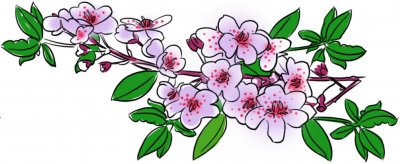
wood branch with the flowers. Remember the circle exercise from a previous chapter? Use that here to place the blooms where they go.
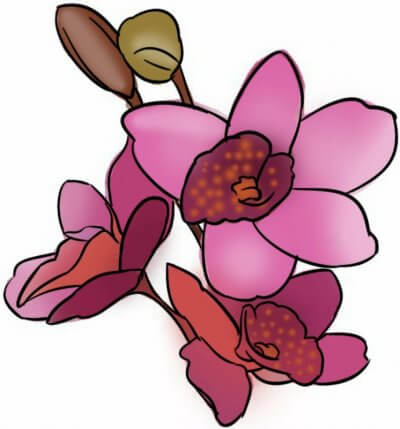
On the left are Irises in a cluster. Often times, to make the most of a picture, you have to arrange flowers in clusters or bouquets.
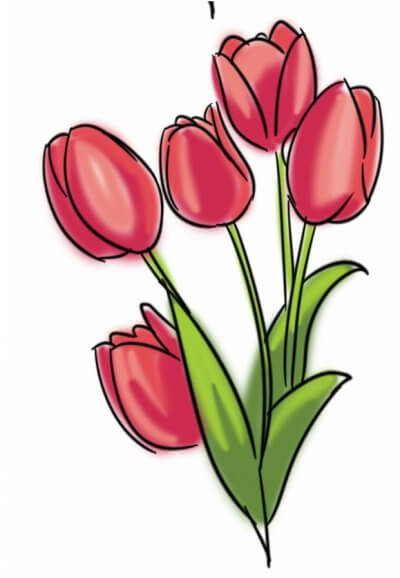
What do you see when you look at the finished picture? I see tear shapes, ellipses, curves, and “U” shapes. I also see dark and light pinks as well as grass and light green.
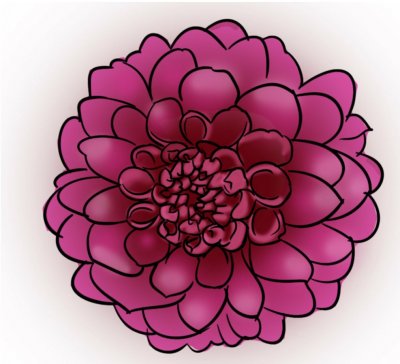
This flower does have a lot of detail to it, but It’s not that hard to do. You will need a couple of different colors for shading, but we’ll get to that at the end.
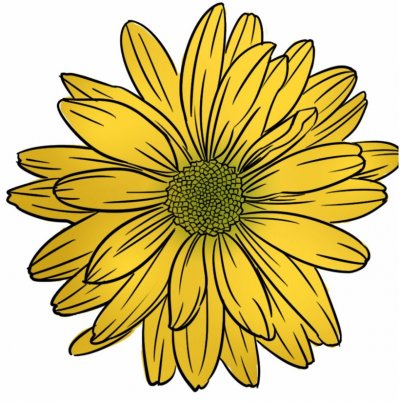
As we see here, not all daisies are white. This daisy is yellow and sports a lot of petals, but don’t worry, it’s not as hard as you may be thinking to draw.
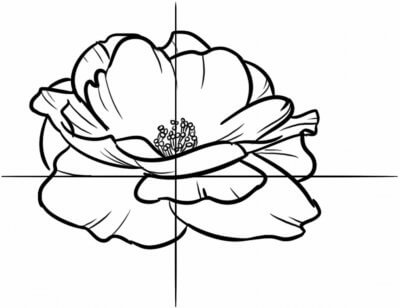
1-It starts with a simple cross shape that is disproportionate.

This small handheld tool with a curved scoop is used for lifting plants or earth. Use the scumbling technique to add realistic-looking soil as you end this tutorial.

Scumbling is method of shading using tiny circles. The texture created depends on the size and pressure used to draw the circles. This can be a simple yet effective technique to use when creating wool on this sheep.

Butterflies are a good example of symmetry in nature where one wing seems to reflect the pattern of the other. Whileno two sides are ever exactly the same, try to replicate the wings patterns using mirror symmetry.

Roosters are larger, usually more brightly colored, and have larger combs on top of their heads compared to hens. Use the techniques in this tutorial that can help with drawing any bird.

The giant panda’s distinctive black and white fur makes it one of the most recognizable animals on the planet. Use dark tones and light pencil pressure to create a likeness of this one-of-a-kind mammal.